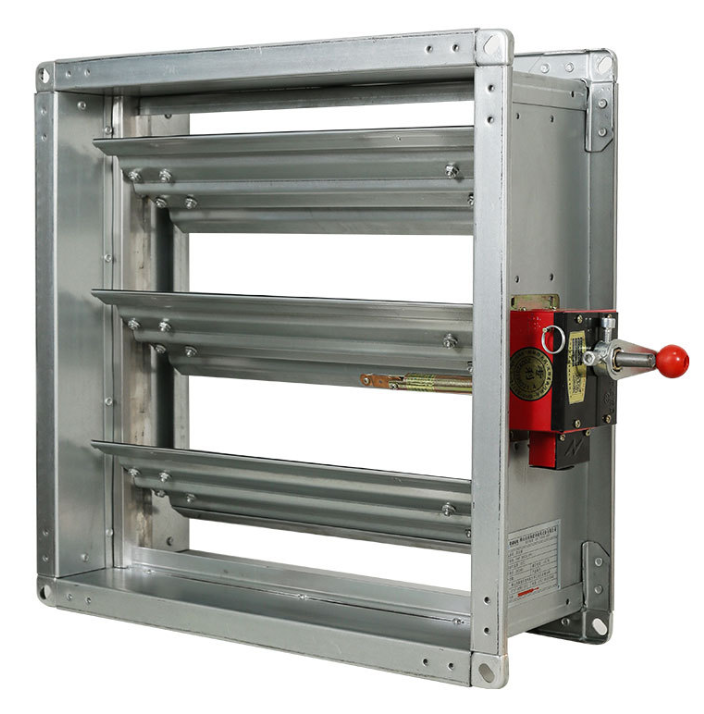
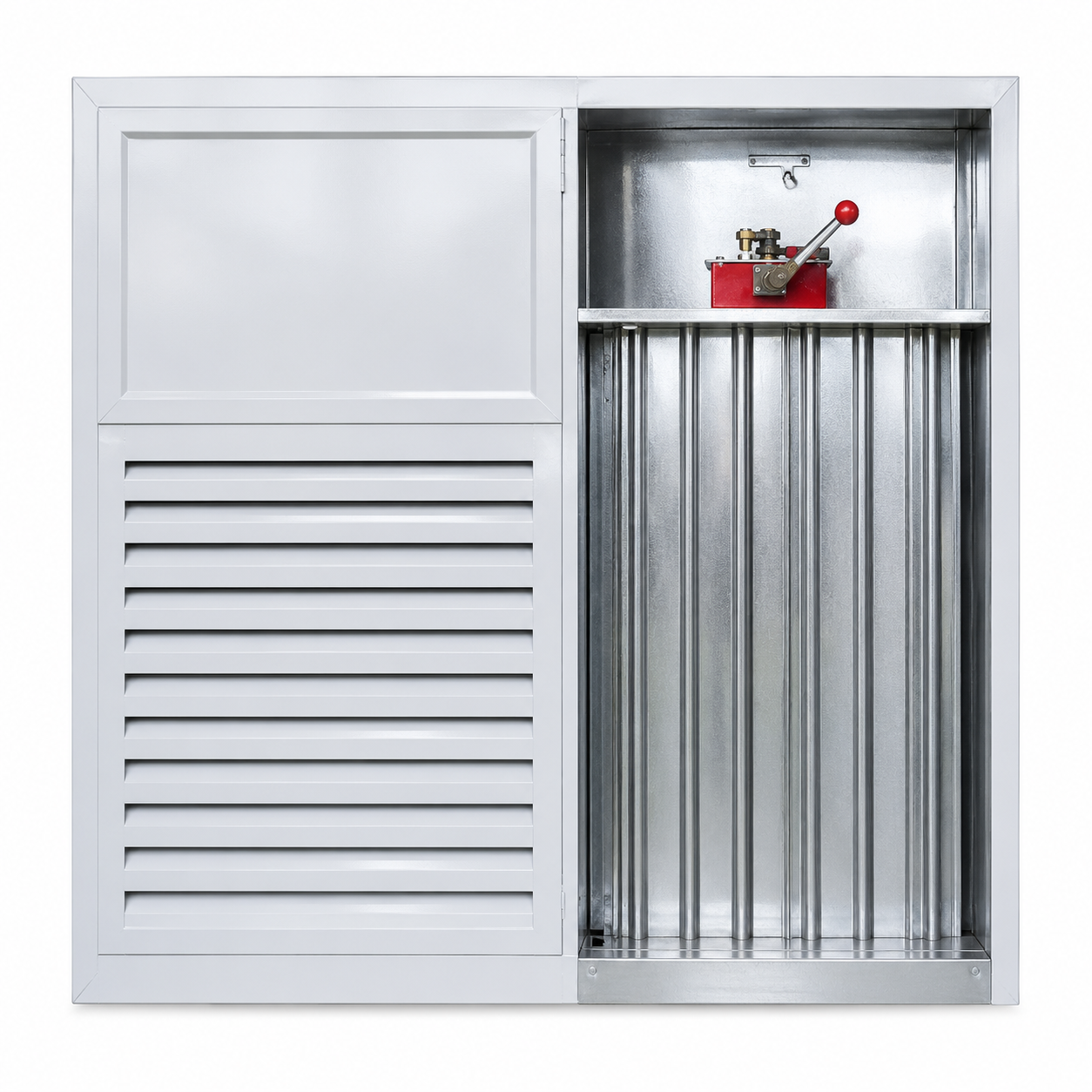
Fire dampers are important safety components installed within HVAC duct systems to help prevent the spread of fire through building compartments. When ducts pass through fire-rated walls, floors, or partitions, properly selected and installed fire dampers help maintain the integrity of fire barriers.
For HVAC engineers, contractors, and building operators, understanding fire damper standards such as NFPA 80, NFPA 90A, IBC requirements, and UL testing standards is essential for reliable fire protection performance.
Fire dampers are designed to close when exposed to fire conditions and limit the movement of flames through ventilation openings. Their classification and installation requirements are determined through standardized fire testing and building code requirements.
Common fire damper designs include static fire dampers and dynamic fire dampers.
Static fire dampers are typically used in HVAC systems where airflow stops during fire conditions. Dynamic fire dampers are designed for applications where airflow may continue during closure and require testing to confirm reliable operation under airflow conditions.
All fire dampers should be installed according to the manufacturer’s listed installation instructions and applicable NFPA requirements. Improper installation, modification, or obstruction may affect the tested performance of the assembly.
NFPA 80 provides installation and maintenance requirements for fire doors, fire windows, and fire dampers. It focuses on maintaining the fire-resistance performance of these protective assemblies.
The International Building Code (IBC) identifies locations where fire dampers may be required, especially where HVAC ducts penetrate fire-rated construction assemblies.
NFPA 90A provides additional guidance for air-conditioning and ventilation systems, including fire and smoke control considerations.
Together, these standards help ensure that HVAC duct penetrations do not compromise building compartmentation during a fire event.
Proper installation is essential for maintaining fire damper performance.
The connection between the ductwork and fire damper should follow the tested installation method provided by the manufacturer. Supporting structures, sleeves, fasteners, and firestop materials should match the approved system design.
Firestop sealing around duct penetrations is also an important part of the installation process. The selected firestop system should be compatible with the fire-rated wall, floor, or shaft assembly.
Accessibility should also be considered during HVAC design. Inspection openings or access solutions allow technicians to check damper conditions and perform required maintenance without major system modifications.
Fire damper installation methods may vary depending on whether the damper is installed horizontally or vertically.
For horizontal installations, the support system and duct connection must maintain the stability of the fire barrier assembly. Proper positioning and secure attachment help prevent movement during fire conditions.
For vertical installations, particularly in shaft walls, correct alignment, anchoring, and firestop integration are important factors. The installation must follow the approved design details to maintain the required fire-resistance performance.
Regular inspection helps ensure that fire dampers remain functional throughout the service life of the HVAC system.
Maintenance checks typically include:
Confirming that the damper is accessible
Checking that moving parts operate correctly
Removing dust, debris, or other obstructions
Verifying that no unauthorized modifications affect operation
Documentation of inspections, testing results, and damper locations can support future maintenance activities and help building owners demonstrate compliance with applicable requirements.
For HVAC equipment suppliers, manufacturing quality plays an important role in fire damper reliability.
Professional manufacturers focus on:
Accurate product design according to testing requirements
Consistent material quality
Reliable actuator and mechanical components
Proper labeling and documentation
Choosing fire dampers from experienced HVAC suppliers helps contractors and building operators reduce installation risks and improve system reliability.
Fire damper installation commonly involves NFPA 80, NFPA 90A, IBC requirements, and applicable UL testing standards depending on the project conditions.
Static fire dampers close when airflow stops during fire conditions, while dynamic fire dampers are designed for applications where airflow may continue during closure.
Correct installation helps maintain the fire-resistance performance of the building assembly and reduces the risk of fire spreading through HVAC ductwork.
Regular inspection, accessibility, operational checks, and proper documentation help maintain reliable fire damper performance.
 Hot News
hongpeng provides certified smoke exhaust fans, fire dampers, and axial flow fans for industrial ventilation systems. ISO-certified, 30-year OEM/ODM expertise, global export support.
No. 19, Courtyard No. 5799, North Side of National Highway 308, Materials Industry Park, Sangdian Town, Tianqiao District, Jinan City, Shandong Province
Copyright © 2025 by Jinan Huifengquan Building Materials Trading Co., Ltd. Privacy Policy
 EN
EN