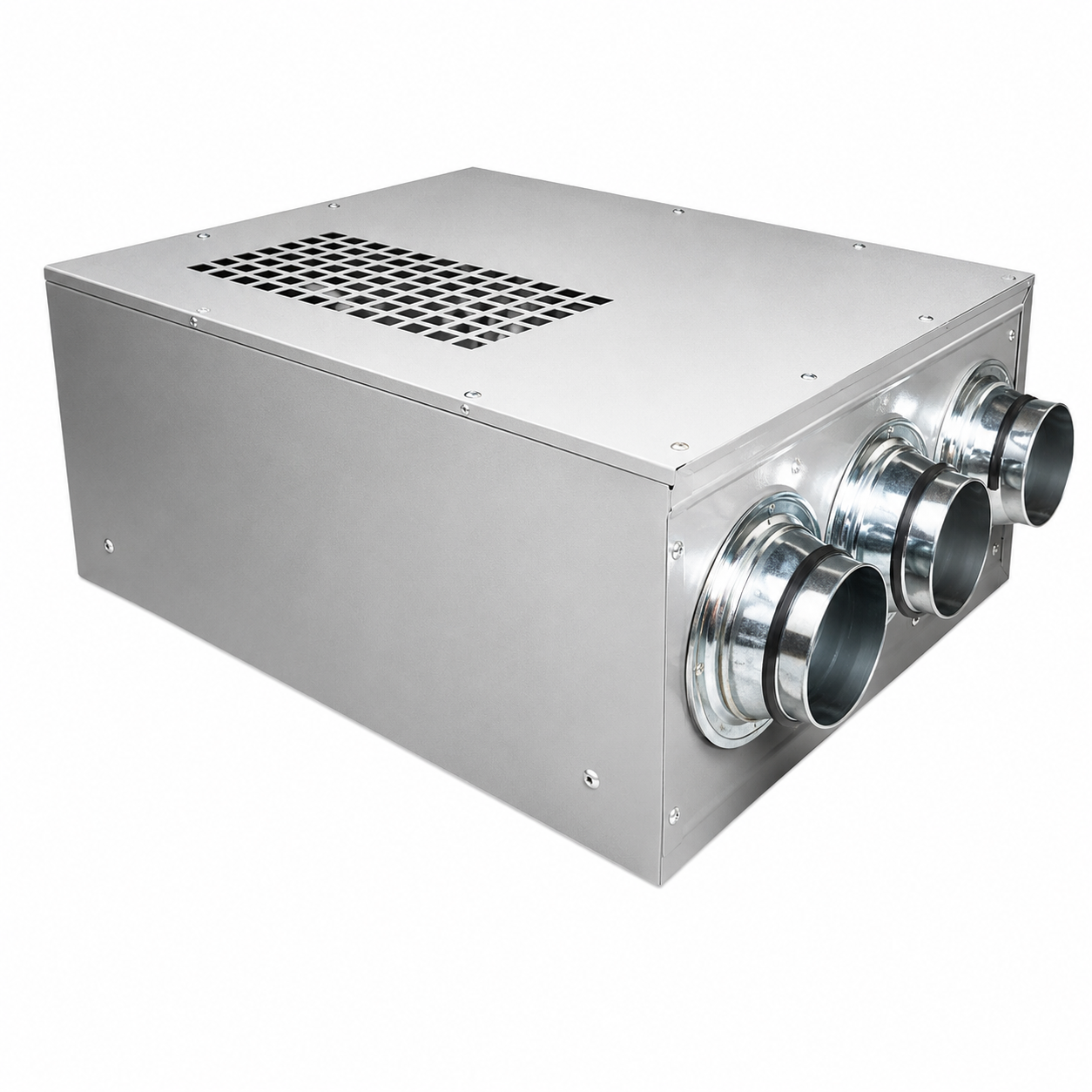
Heat recovery ventilation systems improve indoor air quality and energy efficiency by transferring heat between outgoing and incoming air streams. However, the repeated changes in temperature and humidity inside these systems can create conditions where corrosion may develop, especially when metal components are exposed to condensation, pollutants, or aggressive environments.
For HVAC manufacturers, engineers, and building operators, understanding corrosion risks and selecting suitable protection methods are essential to maintaining system reliability and reducing long-term maintenance requirements.
A ventilation system with heat recovery works by allowing warm indoor air to exchange heat with fresh outdoor air through a heat exchanger core. During this process, temperature differences between air streams can cause moisture condensation when surfaces reach the dew point.
The condensed moisture creates a thin electrolyte layer on metal surfaces. When combined with airborne contaminants such as dust, pollutants, or chemical residues, this moisture can accelerate corrosion reactions.
The risk is higher in areas where ventilation systems operate under high humidity conditions, including coastal buildings, industrial facilities, and indoor swimming pools. Without appropriate material selection and protective treatment, corrosion may gradually affect ductwork, fasteners, and heat exchanger components.
Several factors contribute to corrosion inside HRV systems.
Condensation is one of the most common causes. Repeated wet and dry cycles allow moisture to remain on metal surfaces, increasing the possibility of oxidation and surface degradation.
Chloride exposure is another important factor. In coastal environments or locations with chlorine-based chemicals, chloride ions can damage protective oxide layers on metals and increase the risk of localized corrosion.
Galvanic corrosion can also occur when different metals are connected in the presence of moisture. For example, combinations of steel, aluminum, copper, or brass components may create electrochemical reactions that accelerate corrosion of less resistant metals.
For mild steel components used in ventilation systems with heat recovery, corrosion protection should be selected according to operating conditions, humidity levels, and environmental exposure.
Two commonly used protection methods are hot-dip galvanizing and epoxy coating.
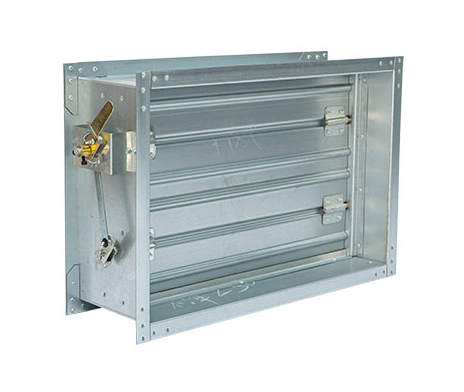
Hot-dip galvanizing protects steel by applying a zinc coating that provides both barrier protection and sacrificial protection. It is widely used for HVAC ductwork and metal structures because of its durability in many indoor environments.
However, galvanized coatings may require additional protection in highly corrosive environments where chloride exposure or chemical contamination is present.
Epoxy coatings protect steel by forming a dense barrier layer that reduces contact between the metal surface and corrosive substances. They are often suitable for applications requiring stronger chemical resistance.
The effectiveness of epoxy coating depends greatly on surface preparation. Removing rust, oil, and surface contaminants before coating application is essential for achieving reliable adhesion.
Cathodic protection is commonly applied to buried pipelines and marine structures where a continuous electrolyte environment allows protective current flow.
However, ventilation ductwork and HRV components usually operate in above-ground environments where condensation is intermittent. This makes cathodic protection difficult to apply effectively and often impractical compared with surface coating solutions.
For most heat recovery ventilation applications, protective coatings and corrosion-resistant materials are generally more suitable approaches.
Preventive protection before commissioning can significantly improve the durability of HRV components.
The process usually includes:
Surface cleaning to remove oil, dust, welding residue, and other contaminants.
Proper surface preparation to improve coating adhesion.
Application of suitable protective coatings based on environmental requirements.
Inspection after coating installation to ensure complete coverage and reduce the possibility of exposed metal areas.
For systems installed in humid or corrosive environments, selecting appropriate materials and protective treatments during the design stage can help avoid unexpected maintenance problems later.
Regular monitoring and maintenance are important for extending the service life of heat recovery ventilation systems.
Humidity monitoring can help identify conditions where condensation is more likely to occur. Proper airflow control, drainage management, and regular inspection of internal components can reduce corrosion risks.
When corrosion signs appear, early repair and coating maintenance are usually more cost-effective than replacing damaged components after severe degradation occurs.
The main causes include condensation, high humidity, chloride exposure, and contact between different metals. These factors can accelerate corrosion of metal components inside HRV systems.
Condensation creates moisture films on metal surfaces. When combined with pollutants or chemicals, these moisture layers can accelerate oxidation and corrosion.
Hot-dip galvanizing and epoxy coatings are commonly used protection methods. The best choice depends on operating environment, humidity conditions, and corrosion exposure.
Cathodic protection is generally not commonly used for HRV systems because ventilation ductwork does not provide the continuous electrolyte conditions required for effective protection.
Using corrosion-resistant materials, applying protective coatings, controlling humidity, and performing regular inspections can help improve system durability.
 Hot News
hongpeng provides certified smoke exhaust fans, fire dampers, and axial flow fans for industrial ventilation systems. ISO-certified, 30-year OEM/ODM expertise, global export support.
No. 19, Courtyard No. 5799, North Side of National Highway 308, Materials Industry Park, Sangdian Town, Tianqiao District, Jinan City, Shandong Province
Copyright © 2025 by Jinan Huifengquan Building Materials Trading Co., Ltd. Privacy Policy
 EN
EN