
 EN
EN
Dampers Regular Dust Removal Maintenance Ensures Flexible Long-Term Valve Opening Control
The most persistent operational issue I see with dampers across industrial facilities and commercial buildings is not mechanical failure from day one. It is the slow, invisible buildup of dust that gradually locks blade movement and stiffens actuator response. Dampers that once operated smoothly begin to open sluggishly, hold position unreliably, or fail to release during functional testing. If your HVAC or fire dampers have developed these symptoms, the root cause is more often a maintenance deficit than a product defect.
Regular dust removal is the single most cost-effective maintenance practice for preserving long-term valve opening flexibility in dampers, and this article explains the mechanism behind dust-related degradation, the inspection standards that apply, and the practical cleaning procedure that any facility team can implement.
Why Dust Accumulation Disrupts Damper Operation
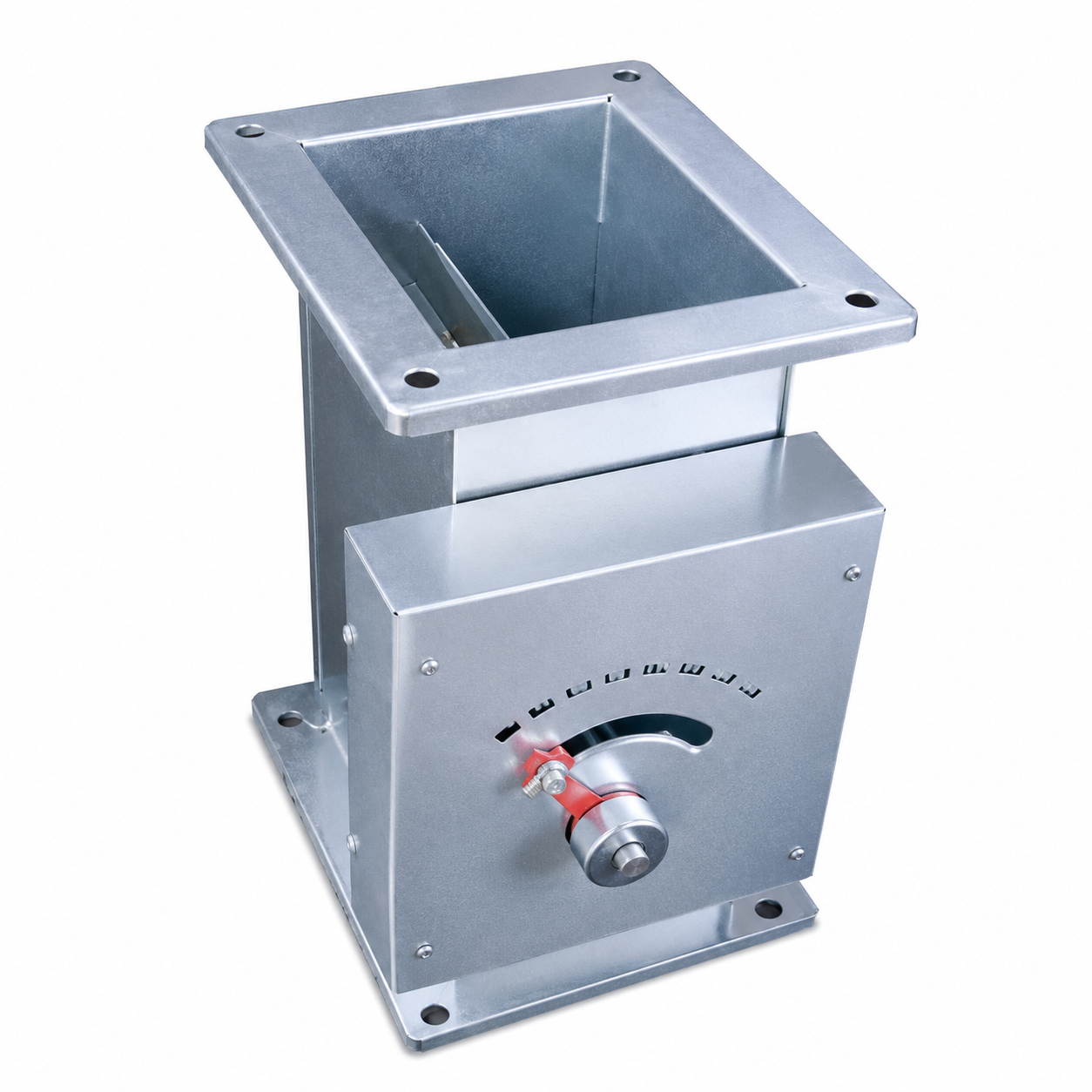
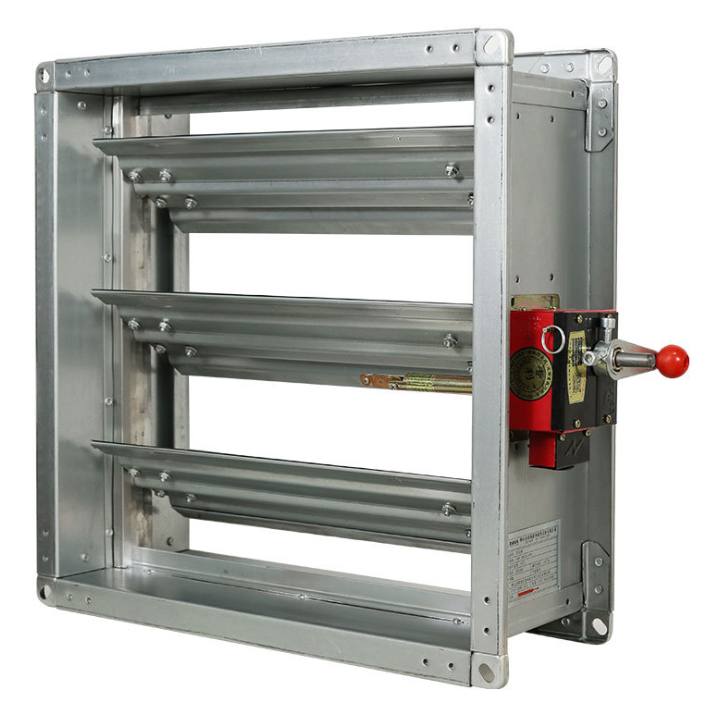
Dampers function by rotating blades or pivoting plates to modulate airflow through ductwork, air handling units, fire-rated partitions, or exhaust plenums. Blade-type dampers mount their blades on a central shaft supported by bearings at each end. Opposed-blade and parallel-blade dampers both share this fundamental shaft-and-bearing design, and both are vulnerable to the same dust accumulation pathway.
In normal operation, the airstream through dampers carries fine dust, fiber particles, and in industrial environments process-generated particulates. As airflow velocity decreases at blade surfaces due to turbulence, suspended particles settle on blade edges, shaft journals, bearing housings, and actuator linkage pivots. Over months and years, this layer compacts into a gritty film that creates several functional problems in dampers:
- Increased blade-to-frame friction, requiring higher actuator torque to open or close the dampers
- Abrasion of blade seals, allowing air leakage even when dampers are nominally in the closed position
- Corrosion at metal shaft components when dust retains moisture, particularly in dampers installed near cooling coils or outdoor air intakes
- Jamming of actuator linkage arms on motorized or pneumatic dampers, preventing full-stroke operation
The result is predictable: dampers that once opened at full travel within two to three seconds begin lagging, reaching only partial travel, or failing to release when a fusible link activates in fire damper applications. Long-term flexible valve control in any dampers installation depends on removing these deposits before they compound into mechanical constraints that exceed actuator capability.
Inspection Standards and Maintenance Frequency for Dampers
For fire and smoke dampers specifically, NFPA 80 and NFPA 105 establish minimum compliance inspection intervals: one year after initial installation, then every four years thereafter (six years for hospital occupancies). These intervals define the regulatory floor for life-safety dampers they are not a recommended maintenance schedule for industrial dampers operating in high-particulate environments.
A more practical approach links inspection frequency for dampers to the actual operating environment:
- Light-duty dampers (clean office or commercial HVAC): annual visual inspection, cleaning every two to three years
- Moderate-duty dampers (light manufacturing, warehouse, distribution): bi-annual inspection, cleaning every twelve to eighteen months
- Heavy-duty or process dampers (woodworking, food processing, mining, cement, petrochemical): quarterly inspection, cleaning every three to six months or after each production cycle
Facilities using dampers in dust collection ductwork face the most compressed maintenance requirements, because the airstream is by definition carrying high particulate loads. In those installations, dampers that are not cleaned regularly will cause the system to operate against incorrect static pressure, reducing collection efficiency and accelerating wear on both the fan and filter media. The Donaldson industrial maintenance literature notes that adjusting and cleaning dust collector fan dampers prevents product loss, maintains dust control, and reduces long-term operating costs a statement that applies equally to any process dampers operating in similar conditions.
Step-by-Step Dust Removal Procedure
The procedure below applies to blade-type control dampers, fire dampers, smoke dampers, and combination fire-smoke dampers in metal ductwork. Before starting, lock out and tag out the associated fan equipment and any motorized actuators on the dampers. For fire dampers, confirm that fusible links are intact before disturbing the assembly.
1. Visual Assessment of Dampers
Open access panels and inspect blades, shaft ends, frame, and actuator linkage on all dampers in the zone. Note visible corrosion, cracked blade seals, loose fasteners on linkage rods, or evidence of previous jamming. Photograph conditions before cleaning for maintenance records. For facilities managing multiple dampers across a system, a consistent condition-rating system allows trend tracking over successive maintenance cycles.
2. Dry Dust Removal
Using a soft-bristle brush or low-pressure compressed air (maximum 30 PSI, directed away from sensitive components), dislodge loose dust from blade surfaces, shaft ends, and interior frames of the dampers. Work from the upstream side to push debris toward a collection point rather than deeper into the duct. Avoid directing compressed air at blade seals or actuator electronics on motorized dampers.
3. Cleaning Shaft Bearings and Pivot Points
With surface debris cleared, apply a light cleaning solvent appropriate for the material of the dampers being serviced (avoid chlorinated solvents on rubber seals) to a lint-free cloth and wipe shaft journals and bearing housings. For slide-type actuator linkages on motorized dampers, clean rod channels and reapply a small amount of dry PTFE lubricant. Wet lubricants attract further dust accumulation and are generally unsuitable for high-particulate ductwork where dampers are operating continuously.
4. Blade Seal Inspection and Replacement
After cleaning, inspect blade edge seals on all dampers for brittleness, cracking, compression set, or detachment. Seals that fail to form uniform contact when dampers are in the closed position allow bypass leakage that reduces both efficiency and life-safety isolation performance. Replace damaged seals using the original manufacturer's specification for the damper model.
5. Functional Test
Before re-energizing, manually cycle each set of dampers through full open and full close positions to confirm free rotation. On motorized dampers, reconnect the actuator and run a full-stroke cycle, measuring travel time against the original specification. Increased actuator current draw often indicates residual mechanical friction in the dampers even after cleaning a signal that additional bearing service or shaft inspection may be needed.
6. Maintenance Documentation
Record the date, condition found, work performed, and any follow-up items in the maintenance log for all serviced dampers. For fire and smoke dampers specifically, this documentation satisfies NFPA traceability requirements and is essential evidence in insurance or liability assessments following a fire event. Clear records also allow facilities managers to identify which dampers in a large building have the fastest accumulation rates and to allocate maintenance resources accordingly.
When Cleaning Is No Longer Sufficient
Regular dust removal extends the functional life of dampers substantially, but it does not offset structural degradation. The following conditions indicate that replacement is the appropriate next step:
- Blade frame warping that prevents full-travel closure even after cleaning and lubrication of the dampers
- Through-corrosion on blade or frame metalwork, particularly in galvanized dampers installed in humid or coastal environments
- Actuators that fail functional tests after servicing indicating internal motor or gear degradation, not dust accumulation
- Blade seals requiring replacement at every maintenance cycle across multiple consecutive inspections of the same dampers
In fire-safety and industrial process applications, operating structurally degraded dampers introduces both system performance risk and legal exposure. The cost of planned replacement during a scheduled outage is a fraction of the cost of unplanned failure, extended system downtime, or a failed fire compliance inspection caused by inoperable life-safety dampers.
Long-Term Strategy for Maintaining Dampers
The maintenance principles outlined here apply broadly across control dampers, fire dampers, smoke dampers, pressure relief dampers, and combination fire-smoke dampers. While specific inspection intervals and cleaning agents differ by application, the core principle is consistent: dust accumulation is a manageable risk, and regular removal preserves the flexible valve opening control that dampers are designed to provide throughout their installed life.
When specifying dampers for new installations, selecting models with accessible shaft end caps, removable actuator linkages, and field-replaceable seals reduces the labor burden of future maintenance. Serviceability features built into dampers at the product design stage typically translate to lower total cost of ownership over a ten to twenty year installation lifetime, even when the initial unit price is somewhat higher than less serviceable alternatives.
For facilities managing many dampers across a large plant or multi-building complex, linking inspection schedules to measured system pressure drop or operating hour counters rather than calendar intervals alone gives a more accurate indication of when individual dampers need attention. This prevents both under-maintenance, which allows cumulative dust damage to progress undetected, and over-maintenance, which introduces unnecessary handling risk to dampers that are operating within normal parameters.
 Hot News